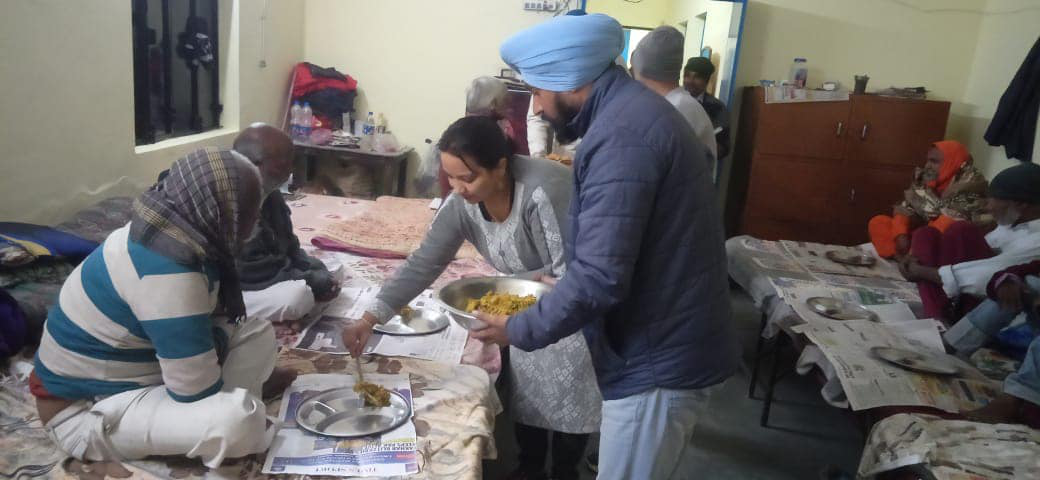
At night, a city changes its rhythm. Shops close, traffic slows, and lights disappear behind curtains. For many of us, this is the hour of small comforts: dinner, a conversation, a blanket and the familiar click of a door being locked.
But everyone does not have a door to close.
For someone without secure accommodation, night brings another search. Where is the ground dry? Which corner offers some protection? Where can belongings be kept within reach?
This is where Ran Basera becomes more than a term on a signboard. It becomes an answer to a basic human need: somewhere to rest safely until morning.
What Is Ran Basera?
Ran Basera, written in Hindi as “रैन बसेरा,” is a night shelter for people who do not have a safe place to stay. It provides refuge for individuals who might otherwise sleep on pavements, roadsides or other exposed spaces.
Services differ between shelters. Some offer accommodation alongside meals or other basic support. Anyone seeking assistance should confirm the location, availability and entry requirements with the shelter operator.
Its purpose is easy to explain. Its importance becomes clearer when we imagine a night without it.
The Part of the City We Often Walk Past
During the day, a pavement is somewhere we hurry across. A shopfront is somewhere we stop to buy something. A roadside corner barely holds our attention.
After dark, these same places may become someone’s sleeping space.
It is easy to notice a bundle of belongings and miss the person beside it. Easier still to assume we understand their circumstances. Yet a brief glance cannot tell us what brought someone there, what they have lost or what they are trying to rebuild.
Homelessness is a circumstance. It cannot describe an entire person.
Recognising that distinction changes how we speak, how we respond and how we offer help.
Why One Night of Rest Matters
Most people know how an uncomfortable night affects the following day. Concentration slips. Ordinary tasks demand more effort. Even a small inconvenience can feel overwhelming.
Now imagine that discomfort combined with uncertainty about where you will sleep tomorrow.
A Ran Basera addresses one immediate part of that uncertainty. Somewhere to rest can make the next morning more manageable, whether a person needs to look for work, seek assistance or simply recover from an exhausting day.
Shelter does not promise that every difficulty will disappear by sunrise. It provides something valuable in the present: relief from having to search for a sleeping place.
That is a meaningful beginning.
A Roof Matters. So Does the Welcome.
The experience of seeking shelter begins before someone settles down for the night.
It begins with finding the entrance, asking a question and understanding what happens next. Clear directions and patient explanations can make an unfamiliar place easier to navigate.
A respectful welcome matters because asking for help is not always easy. Someone may arrive tired, anxious or unsure whether they will be accepted.
Dignity lives in these everyday interactions: being addressed politely, having a concern heard and receiving information without embarrassment.
It also means respecting privacy. Assistance should not automatically turn someone into a photograph, a social media post or a story shared without their permission.
How Communities Can Make Their Support Useful
The most useful contribution often starts with a question: “What does the shelter currently need?”
Before organising a collection, contact the operator. Confirming requirements helps prevent unsuitable donations and makes it easier for staff to plan.
Community support can take several forms:
- Share accurate information: Circulate verified addresses, contact details and access guidance.
- Coordinate supplies: Ask which items are needed and how they should be delivered.
- Volunteer responsibly: Understand the role, schedule and expectations before committing.
- Respect personal choices: Ask permission before photographing people or sharing their experiences.
Consistent, coordinated support can be more useful than a large contribution made without checking. The aim is to respond to actual needs and build trust.
Frequently Asked Questions About Ran Basera
Is Ran Basera only useful during winter?
No. People need safe accommodation throughout the year. Rain and continuing housing insecurity also make shelter important. Individual facilities may have different operating schedules.
Does every Ran Basera provide meals?
Facilities vary. Contact the shelter operator to confirm whether meals and other amenities are available.
How can I find a Ran Basera near me?
Check with local municipal authorities or recognised shelter organisations. Verify the address, current availability and admission requirements before travelling whenever possible.
Conclusion: Making Room for a Safer Tomorrow
A city is experienced differently by someone heading home and someone searching for shelter. Ran Basera helps close that distance through a practical act of care: making room for a person to rest. In Lucknow, UMMEED NGO’s RAN-BASERA initiative describes shelter from cold and rain alongside warm, nutritious meals. Visit UMMEED NGO’s Ran Basera programme to explore volunteering, donations and awareness opportunities. A safe night cannot solve every problem, but it can give someone a better place from which to face tomorrow.

Leave a comment